
WHAT WE DO
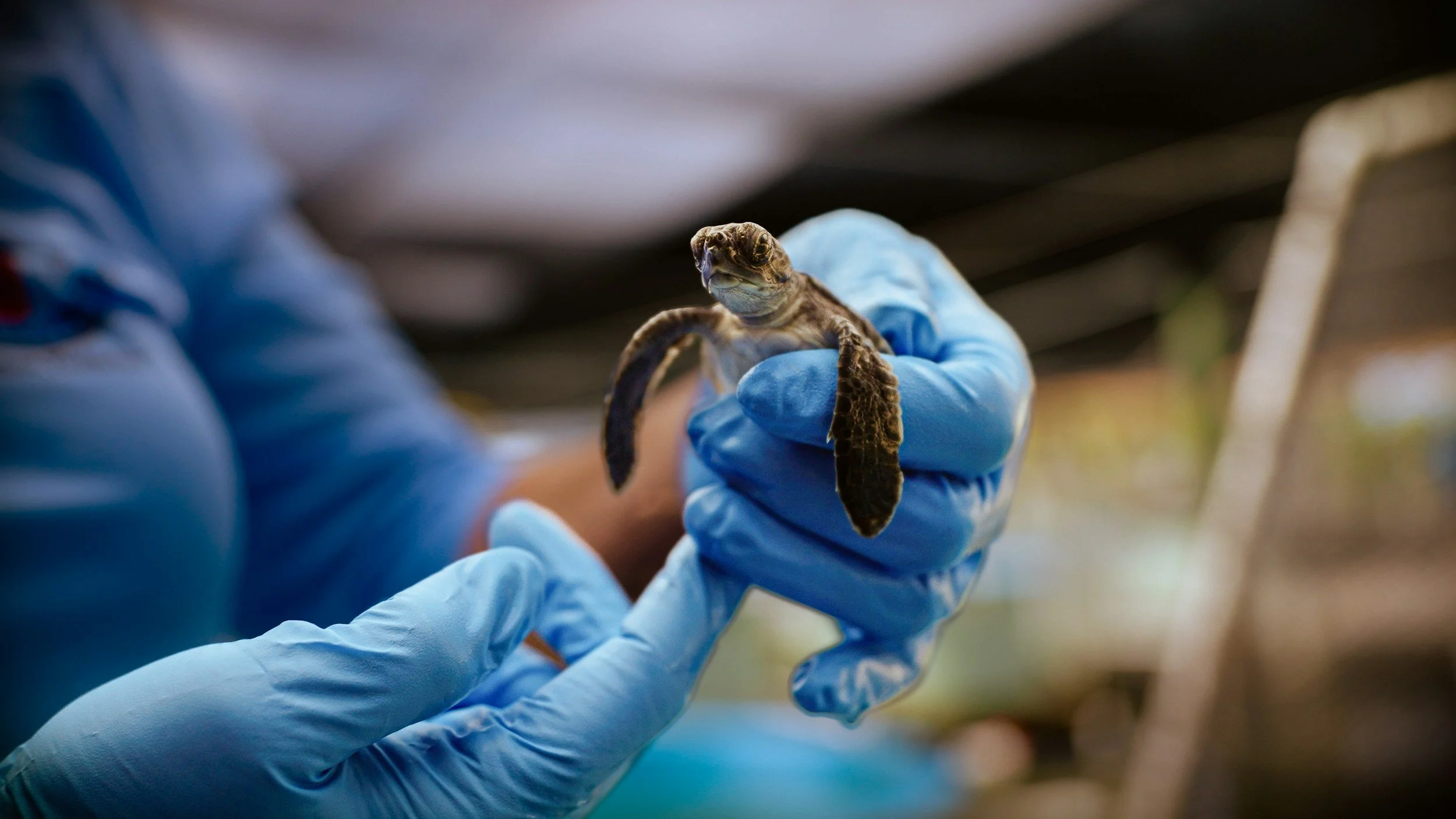
We help wildlife hospitals and animal shelters strengthen operations, improve consistency, and build systems that support better animal care.
CARE works with existing organizations to identify operational gaps, strengthen day-to-day systems, and create practical processes that can actually be used in real-world environments.
Operations Consulting
We help animal welfare organizations identify operational gaps, improve day-to-day efficiency, and build systems that better support staff, volunteers, and animal care.
Operational Assessment
We review workflows, staffing structure, communication habits, and day-to-day processes to identify where inefficiencies and risks are affecting performance.
Key Findings
We pinpoint the operational blind spots that create stress for staff, confusion for volunteers, and unnecessary strain on animal care systems.
Practical Recommendations
We provide clear, prioritized next steps your organization can actually implement, not a bloated report destined for a drawer.
Our Core Services
-
A structured, on-site evaluation of how a facility actually operates.
This is the starting point. CARE observes the day-to-day realities of the organization, identifies operational strengths and weaknesses, and highlights the issues that may be affecting consistency, communication, and animal care.
This may include:
Intake and workflow observation
Review of staff communication and leadership structure
Evaluation of training practices
Assessment of volunteer integration
Review of standards, protocols, and accountability
Outcome:
A clearer understanding of what is working, what is not, and where improvement should begin. -
Written systems designed for the way your organization actually works.
CARE develops practical standard operating procedures tailored to the facility, team structure, and real operational needs of the organization. The goal is not to create paperwork for the sake of paperwork. It is to create standards that improve consistency and support stronger execution.
This may include:
Intake procedures
Animal handling and care protocols
Cleaning and sanitation procedures
Staff and volunteer expectations
Role-specific operational guidance
Outcome:
Clearer standards, stronger consistency, and systems your team can actually use. -
Helping teams put systems into practice.
Strong procedures mean very little if they are not understood, adopted, and reinforced. CARE supports organizations in implementing new systems through training, coaching, and practical guidance designed to help teams move from intention to consistency.
This may include:
SOP rollout support
Staff, intern, and volunteer training
Leadership guidance
Process refinement based on real-world use
Outcome:
Better adoption, stronger accountability, and more sustainable improvement over time.
Why this work matters
When operations are inconsistent, the effects show up everywhere. Animal care becomes uneven. Staff morale drops. Volunteers create friction instead of support. Training resets over and over. Leadership spends more time reacting than improving.
CARE helps organizations create the structure needed to support more consistent care, stronger teams, and better day-to-day performance.
We review workflows, staffing structure, communication habits, and day-to-day processes to identify where inefficiencies and risks are affecting performance.
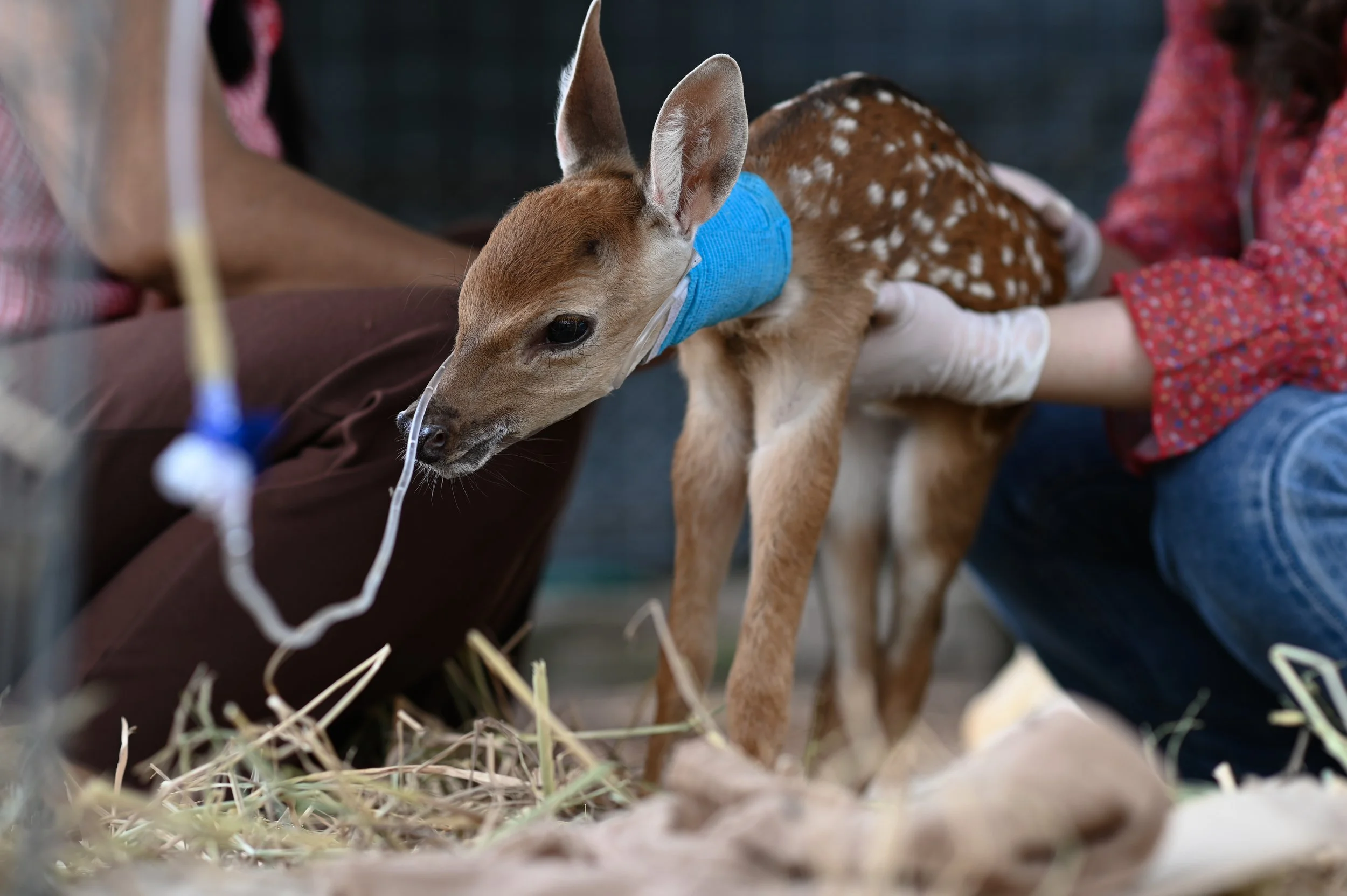
We pinpoint the operational blind spots that create stress for staff, confusion for volunteers, and unnecessary strain on animal care systems.
Who we work with
CARE is designed for existing wildlife hospitals and animal shelters that want to improve how their organizations function day to day. This work is especially valuable for teams experiencing growth, inconsistency, turnover, communication challenges, or pressure to strengthen performance.
How it starts
1. Assess
We observe how your facility operates and identify the most important gaps and opportunities.
2. Prioritize
We define where improvement should begin based on what will have the greatest impact.
3. Strengthen
We help build and implement systems that support better consistency over time.
START A CONVERSATION
Every organization is different. The first step is understanding where your facility stands today and what kind of support will be most useful.